PLEXERA®

Services / Small-molecule kinetic screening

Screen small-molecule libraries
with real-time kinetics.

Plexera immobilizes small-molecule libraries on high-density SPRi microarrays and measures binding against protein or RNA targets across a concentration series.

Discuss your screening project
3,840
Compounds per chip
~3 hours
Per screening run
8 concentrations
Target series
KD · kon · koff
Real-time kinetics

A COMPLETE SCREENING SERVICE

Define the target.
Plexera runs the screen.

01 / YOU PROVIDE

Project inputs

  • Protein or RNA target information
  • Screening objectives
  • Assay requirements
  • Compound library information
02 / PLEXERA HANDLES

Complete execution

  • Library layout and high-density printing
  • Photocrosslinking immobilization
  • Target concentration series and SPRi
  • Kinetic fitting and data analysis
03 / YOU RECEIVE

Ranked kinetic data

  • Compound-level sensorgrams
  • KD, kon and koff
  • Hit ranking and clustering
  • Heatmaps and a complete report

SPRi-SMM WORKFLOW

From compound library to ranked binders

The complete workflow keeps library preparation, kinetic measurement and data analysis within one coordinated project.
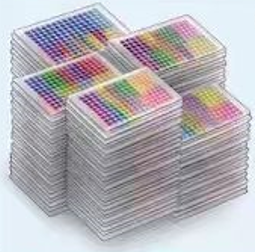
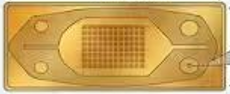
  1. Compound library platesHigh-density small-molecule chip
    01

    Prepare the library

    Confirm compound composition, plate layout and project-specific printing requirements.
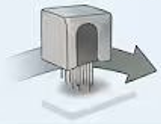
  2. Plexera microarray printerPrinted small-molecule array
    02

    Print and immobilize

    Print a high-density array and covalently immobilize the small molecules by photocrosslinking.
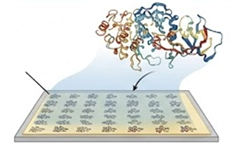
  3. Protein target flowing over an immobilized small-molecule array
    03

    Measure the target

    Run a protein or RNA target concentration series across the array and record binding in real time.
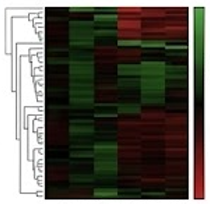
  4. Compound-clustering heatmap
    04

    Rank the compounds

    Fit kinetic parameters, compare binding behavior and organize candidate compounds for review.

SPRi-SMM ARCHITECTURE

The library stays on the chip.
The target moves through the array.

This orientation places thousands of immobilized small molecules in contact with the same protein or RNA target concentration series, creating a comparable kinetic dataset across the library.
ON THE CHIPSmall-molecule libraryCovalent photocrosslinking immobilization
IN THE FLOW PHASEProtein or RNA targetEight-point concentration series
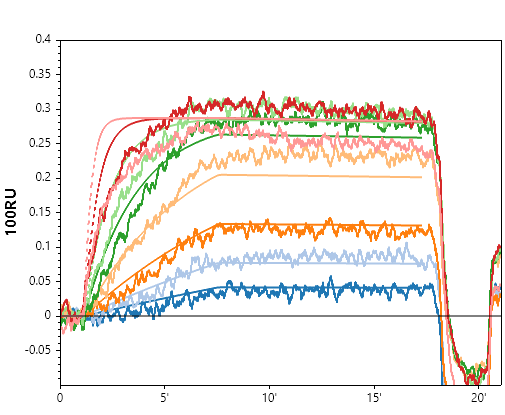
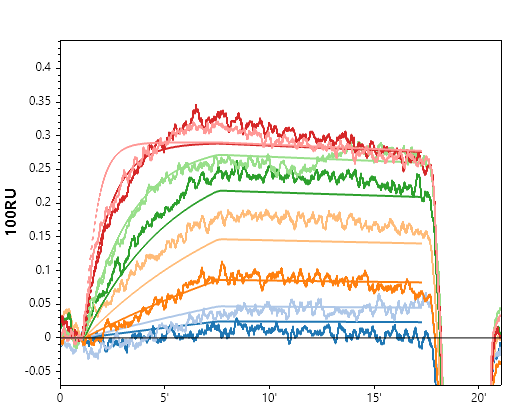
DATA OUTParallel kinetic measurementsSensorgrams, KD, kon and koff
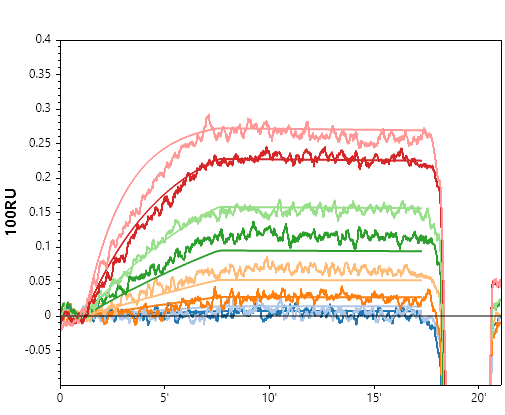
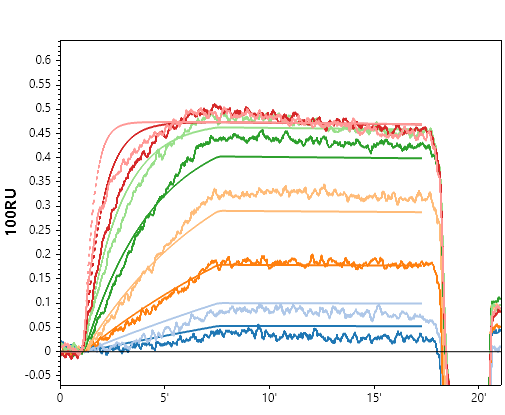
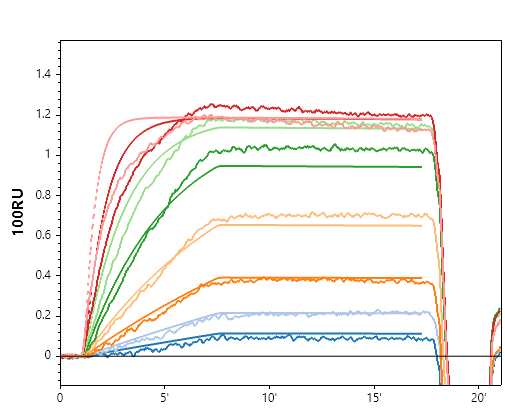
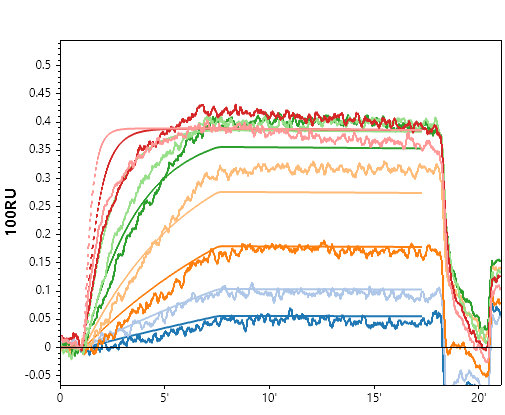
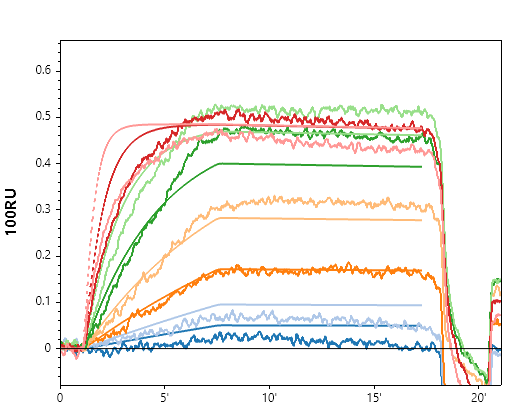
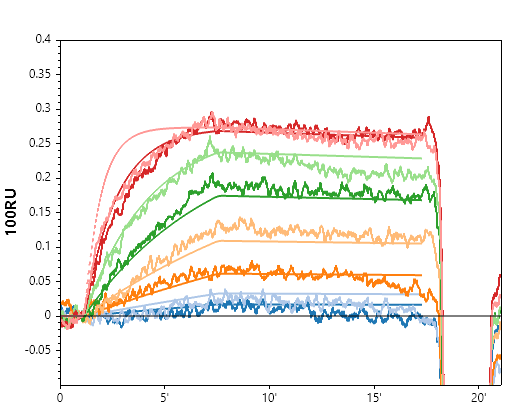
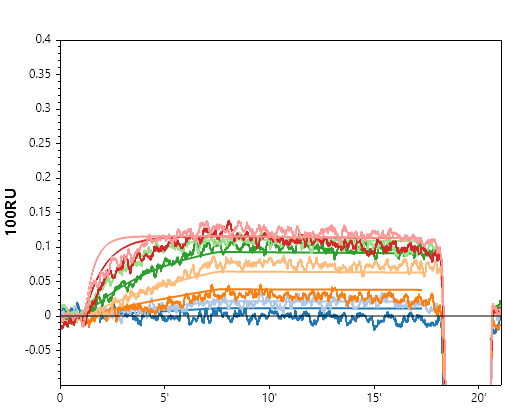
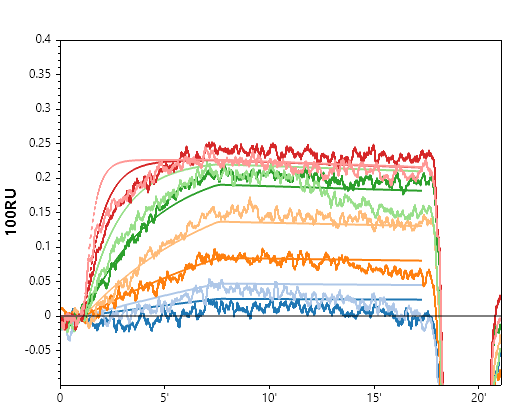
Representative small-molecule SPRi sensorgram Representative small-molecule SPRi sensorgram Representative small-molecule SPRi sensorgram Representative small-molecule SPRi sensorgram Representative small-molecule SPRi sensorgram Representative small-molecule SPRi sensorgram Representative small-molecule SPRi sensorgram Representative small-molecule SPRi sensorgram Representative small-molecule SPRi sensorgram Representative small-molecule SPRi sensorgram

DATA DELIVERY

From compound library
to kinetic landscape.

Review individual sensorgrams alongside library-level ranking and clustering. The final output connects each compound to its measured binding behavior.

  • Compound-level association and dissociation curves
  • Affinity and kinetic parameters
  • Hit ranking and response comparison
  • Library heatmap and clustering
  • Structured experimental report

Representative data are shown for illustration and do not constitute a performance guarantee.

SCREENING ORIENTATION

SPRi-SMM and conventional SPR

SPRi-SMM

Library-scale kinetic screening

Immobilized
Small-molecule library
Flow phase
Protein or RNA target
Measurement
Thousands of compounds in parallel
Role
Screening and kinetic characterization
CONVENTIONAL SPR

Selected-hit characterization

Immobilized
Target protein
Flow phase
Individual small-molecule solutions
Measurement
Selected compounds measured sequentially
Role
Detailed confirmation of prioritized hits

SCREENING APPLICATIONS

Designed for diverse
small-molecule programs.

  • 01Protein-targeted screening
  • 02RNA-targeted small molecules
  • 03PROTAC discovery
  • 04Drug repurposing libraries
  • 05Fragment and focused libraries
  • 06Binding selectivity profiling

PROJECT QUESTIONS

Before your screen starts

What target formats are supported?

Protein and RNA targets can be evaluated. Target quality, concentration range and assay conditions are confirmed during project planning.

Which compound library can be used?

Library composition, source, plate format and printing compatibility are reviewed for each project before the array layout is finalized.

How much compound is required?

The microarray format uses very small printing volumes. Exact sample requirements depend on library concentration, plate format and the selected chip layout.

What data are included in the report?

The report includes sensorgrams, fitted kinetic parameters, hit ranking, response comparison, clustering and the experimental context.

START A SCREENING PROJECT

Tell us about
your target and library.

Share the target format, compound library information and the screening question you want to answer.

Required fields

Your inquiry will be sent to the Plexera team.

By submitting this form, you agree that Plexera may use the information provided to respond to your inquiry. See our Privacy Policy.